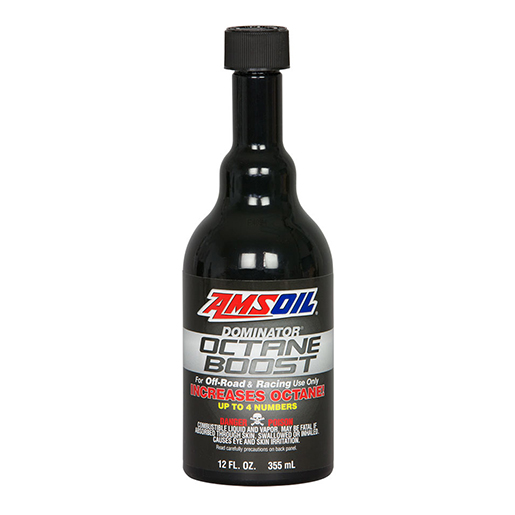
AMSOIL DOMINATOR OCTANE BOOST
Off-road and racing octane additive that kills knock, cleans carbon off the piston tops, and doubles as a lead substitute in older equipment.

Fuel problems are cheap to prevent and expensive to fix. A gasoline stabilizer protects fuel that sits between rides, a gasoline treatment addresses ethanol-related residue in small fuel systems, and octane boost covers engines that call for more octane than the local pump delivers.
Off-road and racing octane additive that kills knock, cleans carbon off the piston tops, and doubles as a lead substitute in older equipment.
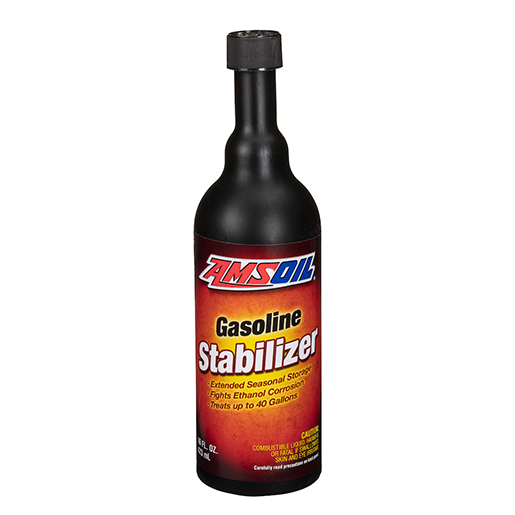
Long-storage fuel treatment that stops oxidation, blocks varnish and gum, and fights ethanol corrosion so you never have to drain the tank.
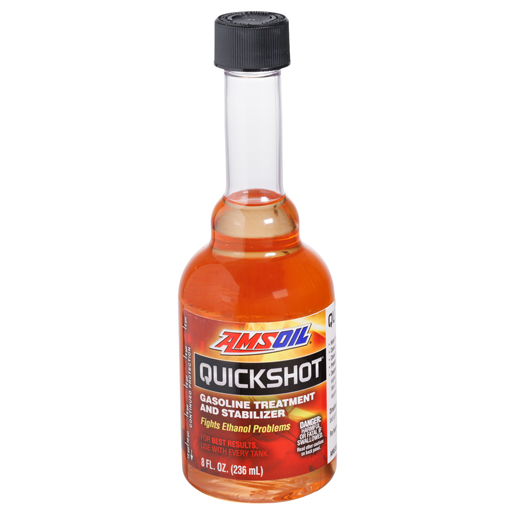
Powersports fuel additive that clears carburetor and injector deposits, keeps ethanol water dispersed, and stabilizes gas for short-term storage.
Start with what the fuel is doing to you. Gas that sits all winter goes stale and gums up carburetors, which is stabilizer territory. Ethanol blends attract moisture and leave deposits in small fuel systems, which is what a gasoline treatment targets. Pinging under load on pump gas points to octane, not cleaning.
Dose by the label, not by feel. Every additive lists a treatment ratio for a given fuel volume, and doubling up or stacking products rarely helps. Add stabilizer to fresh fuel before storage and run the machine long enough to pull treated fuel through the entire system, including the carburetor.
Any time the machine will sit more than a few weeks on one tank, and always before winter storage. Add it to fresh fuel, then run the engine several minutes so treated gas reaches the carburetor or injectors. Stabilizer keeps good fuel fresh, it does not rescue fuel that already turned.
Sometimes. If varnish or ethanol residue is choking the fuel system, a cleaning treatment can help over a few tanks. If the real problem is stale gas, a weak battery, a fouled plug, or a plugged air filter, no bottle fixes that. Treat additives as maintenance, not repair.
No. If you run ethanol-free fuel and ride weekly, you may never need one. Machines that sit for stretches, run E10 pump gas, or live in humid climates benefit the most, since ethanol pulls moisture into the tank while the machine waits for the next ride.
When your engine calls for higher octane than you can buy locally, or a modified or high-compression build knocks on pump gas. It is not a bandage for overheating or bad tuning. Meet the manual's octane requirement first, then boost with a measured dose when conditions demand it.
Skip the cocktail unless the labels say the products work together. Stacking treatments overdoses the fuel with solvents and leaves you guessing which product did what. Pick the additive that matches the actual problem, dose it by the label, and give it a full tank to work.