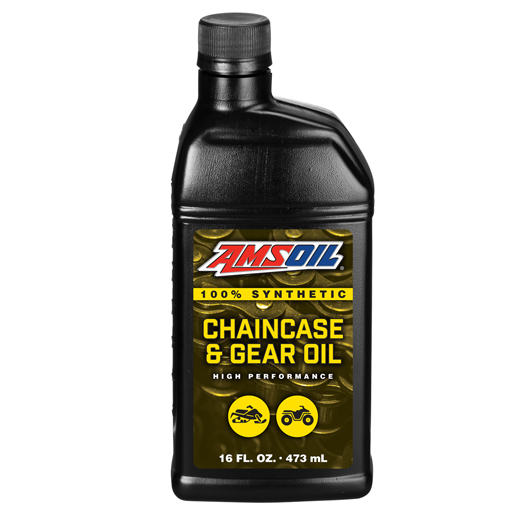
AMSOIL 100% SYNTHETIC CHAINCASE & GEAR OIL
Synthetic EP chaincase oil for sleds, ATVs, gearcases, and Diamond Drive housings that still flows at -51°F.

Grease the pivots, pack the bearings, and keep the chaincase quiet. Synthetic ATV grease, spray grease, racing grease, and chaincase gear oil cover every fitting on your machine, including the ones that spend half the season underwater.
Synthetic EP chaincase oil for sleds, ATVs, gearcases, and Diamond Drive housings that still flows at -51°F.
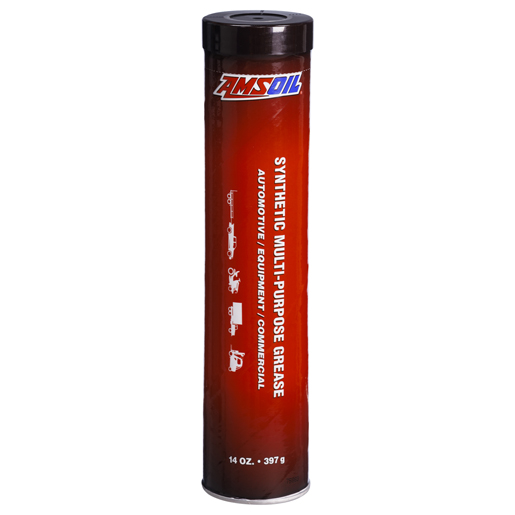
Red NLGI 2 synthetic grease for wheel bearings, chassis points, trailer hubs, and pivots that call for GC-LB or HPM.
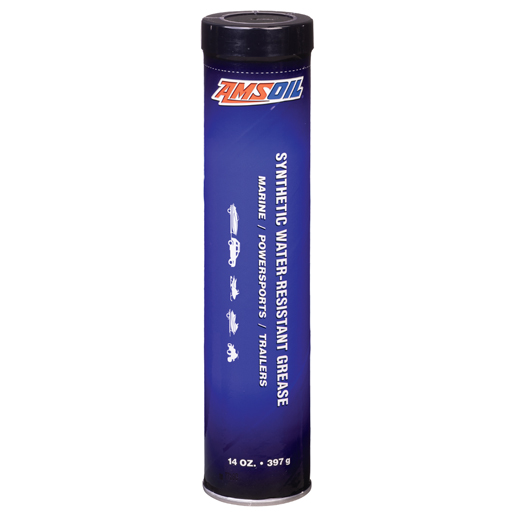
Blue NLGI 2 GC-LB grease with HPM+WR, 0.8 percent water washout, and 0 percent oil separation for wet hubs.
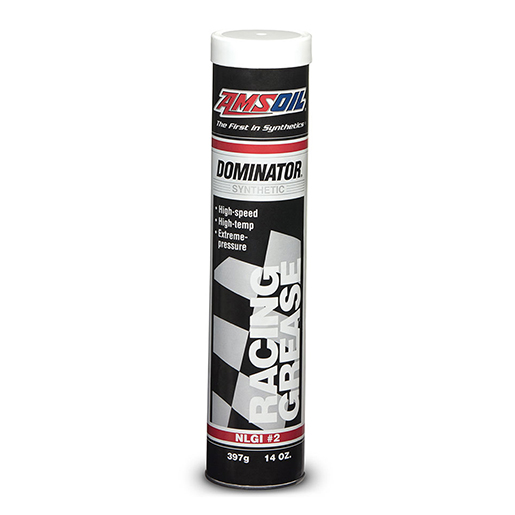
Race-duty NLGI 2 GC-LB grease for hot, fast, loaded hubs with 0.5 percent washout and 220 hours of bearing life.
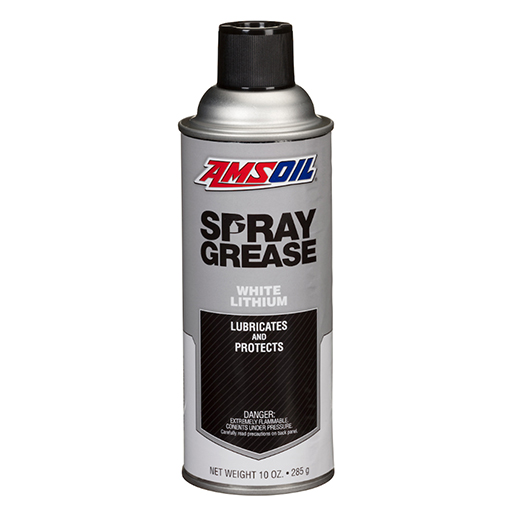
White lithium aerosol grease for external moving metal parts a grease gun cannot reach, including hinges, slides, cables, springs, and hitches.
Every zerk on your machine has a job description. Wheel bearings run hot and fast, suspension pivots seesaw under load, and driveline joints get dunked in mud. Use the consistency your manual lists, and reach for water-resistant grease where crossings and washdowns keep flushing standard grease out.
Gear oil is not interchangeable with grease or engine oil. A chaincase or gearcase needs the viscosity and performance category assigned to it, and mixing unknown lubricants can thin the film that protects the gears. When the history is unknown, clean out the old lubricant and start fresh.
A synthetic multi-purpose grease covers most fittings, and a water-resistant grease earns its keep on machines that see mud and creek crossings. Match the consistency your manual lists, and if you do not know what is in a joint now, purge it through rather than mixing products.
Very. Standard grease can wash out of joints that spend time in water and mud, leaving bearings dry right when loads are highest. A water-resistant formula clings through crossings and pressure washing. It still needs good seals and a grease gun after wet weekends to do its work.
Your manual sets the baseline, and wet, muddy, or dusty riding shortens it. Plenty of riders hit every zerk after each washdown weekend. Apply the specified amount, since overpacking can pop seals and leave a grease ring that collects grit around the fitting.
Only if it meets the exact viscosity and performance spec your differential calls for. Some off-road drivetrains include friction materials with requirements a generic automotive gear oil does not address. Read the case label and the manual before pouring anything in.
When you do not know what is in there, yes. Grease thickeners are not all compatible, and a bad mix can turn runny under heat. Purge the joint until fresh grease runs clear, or clean serviceable bearings completely before repacking them with the new product.