

AMSOIL Air Filter Oil
Product codes and package options
| Product code | Package or selection |
|---|---|
| AFOSC-EA | 14 oz. spray can |
| AFOSC-CA | Case of 12 spray cans |
Pull the element and confirm it is foam before this can comes off the shelf. AMSOIL Air Filter Oil is a 14 oz. aerosol for foam airbox filters, not pleated paper and not gauze. The oil penetrates the foam structure, sets into a tacky film, and grabs dirt, sand, and grit while resisting water so the intake keeps getting clean airflow. Start with a clean, dry filter, spray evenly while kneading the foam, and aim for full saturation rather than a measured number of ounces.
Foam only, check first
Foam airbox filters are the only named application, so identify the media before spraying. A quad or side-by-side airbox can hold open-cell foam, pleated paper, or gauze, and only the foam element belongs under this oil. The product listing does not name any other media.
Do not trust shape, color, or machine brand to tell you what the element is. When the material is not obvious, use the filter manufacturer or machine service manual for the right care method. Paper and gauze elements follow their own cleaning or replacement routines.
Media type also drives the cleaning agent, the drying method, and how often an element comes out at all, and none of that ships with the can. Oiling foam is one step inside a service the filter manufacturer defines. Get the wider routine from the filter itself, because this aerosol covers the treatment step and nothing around it.
Soaks in, then stays put
Quick penetration gets the oil into the foam instead of glazing the outside face. Once it is in, the tacky formula holds the coating against airflow and vibration. That adhesion is what keeps oil from pooling in the airbox, the failure this formula is built to avoid.
The tacky film catches dirt, sand, and grit before they move toward the intake. It also resists water, which matters after creek spray or a wet wash bay. Clean airflow depends on the coating staying in the foam instead of draining out or choking one surface.
Pooling costs more than a mess to wipe up. Oil that runs off an element collects in the bottom of the airbox where it filters nothing, and the foam it drained out of is thinner than it was at installation. The coating has to survive vibration and airflow for every hour the machine runs.
Four steps, no measuring
Start with a clean, dry filter. This product oils foam, it does not clean out trapped grit or leftover wash water. Wash the element by the method its manufacturer specifies and let it dry all the way through before the first spray pass.
Shake the can vigorously and spray from a short distance while gently kneading the filter surfaces. Work the oil through the full foam thickness instead of coating one side and calling it done. Then install the filter according to the owner's manual.
No application rate, dwell time, or drying interval is published. Complete saturation is the target, and the kneading step is the check. Foam that is oiled through the middle feels different from foam that only has product on the outside face.
It is a flammable aerosol, so treat it like one
The recorded numbers explain the handling rules. Flash point is -104°C (-155.2°F), a figure set by the propellant rather than by the oil it carries, and the vapor burns across a band of 2.1 to 9.5 percent by volume in air. Below that band a mixture is too lean to ignite and above it too rich.
Relative vapor density is 1.56 against air at 0°C, so the vapor sinks instead of rising away. It gathers near the floor, which is where a shop heater pilot light and a running drop cord tend to sit. Spray in open air, keep the can clear of heat, flames, and sparks, and avoid forming mists while you work.
VOC content is 24.97 percent, the share of the formula that evaporates into the air rather than staying on the filter. Keep strong oxidizing agents away from it, since thermal decomposition releases irritating gases and vapors including carbon monoxide, carbon dioxide, and unburned hydrocarbons. Keep the can out of reach of children and send it to recycling once it is empty.
Cans, availability, and what is not published
Two package options exist. AFOSC-EA is the 14 oz. spray can, and a case of twelve of those cans is the other. Nothing separates them but count, so pick by how often you service the airbox rather than by anything in the formula.
One availability restriction applies, which is that the product is not offered in Canada. No Canadian package option is published for the single can or the case, and no substitute is named in its place. AMSOIL products are backed by a Limited Liability Warranty, and this aerosol is not expected to cause health concerns when used for its intended application and in line with the safety recommendations issued alongside it.
No cleaning agent, service interval, or reoiling schedule is published with the oil. That leaves the condition of the element and the maintenance schedule for your machine as the guide for when it comes out, gets washed, and gets treated again. A weekend in heavy dust or a creek crossing that filled the airbox shortens that cycle in ways no printed figure can anticipate, so judge the element at the machine.
Verified specifications
| Filter type | Foam airbox filters |
|---|---|
| Application | Aerosol spray |
| Package size | 14 oz. |
Questions about AMSOIL Air Filter Oil
Foam airbox filters. That is the single application named for AMSOIL Air Filter Oil, so confirm the element is foam before any oil goes on it. Shape and machine brand are not reliable indicators, and the filter manufacturer settles the question when the material is unclear.
No. No paper-media application is listed. A pleated paper element follows the cleaning or replacement method assigned to that specific filter, and nothing published here covers oiling one. The same caution applies to gauze. Foam is the only media named.
Yes. The published sequence begins with a clean, dry filter, because this product is a lubricant rather than a cleaner. Wash by the method your filter manufacturer specifies, and let the element dry completely before the first pass of spray. Oil laid over trapped grit or leftover water works against the coating.
No application rate or volume is published. Complete, even saturation of the foam is the target, judged by kneading the element while spraying rather than by measuring product out of the can. A single surface pass leaves the inside of the foam untreated.
As a flammable aerosol. Keep it away from heat, flames, and sparks, avoid forming mists while spraying, and keep strong oxidizing agents clear of it. The vapor is heavier than air at a relative density of 1.56, so ventilation near floor level matters more than ventilation overhead. Recycle the can once it is empty.
No, the product is not available in Canada. Where it is offered, the two package options are the 14 oz. spray can listed as AFOSC-EA and a case of twelve of those cans, both holding the same formula for the same foam airbox filter application. No alternative is named in its place.
Related products in this category
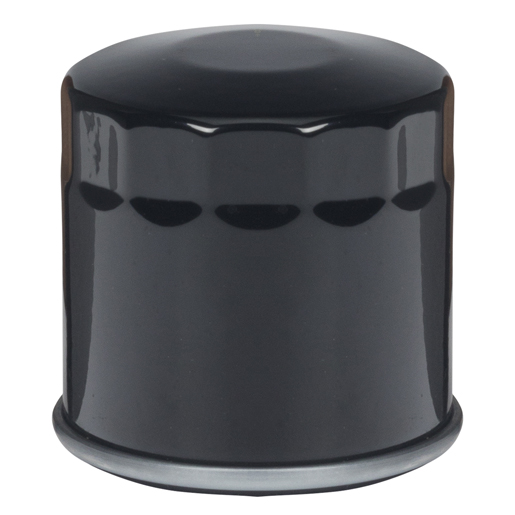
AMSOIL Black Oil Filter
Black spin-on powersports filters with full-synthetic media, 11 to 17 psi bypass valves, and ATV or UTV coverage in EAOM103 and EAOM109.
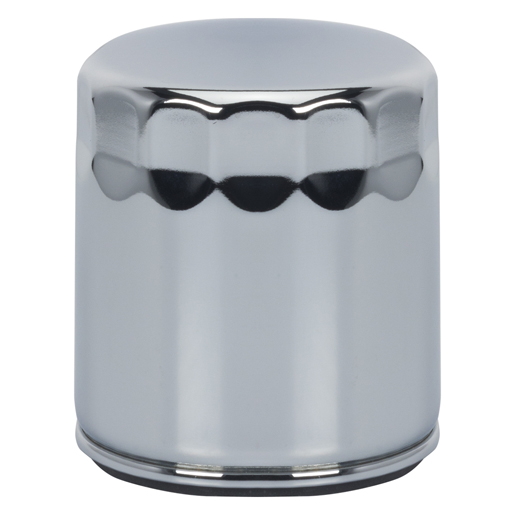
AMSOIL Chrome Oil Filter
Chrome powersports oil filter line with three part numbers, black-line media specs, and ATV or UTV coverage only in EAOM103C.

WIX Oil Filter
WIX oil filter line with 148 part numbers across four series, chosen by vehicle lookup rather than product name or canister shape.