
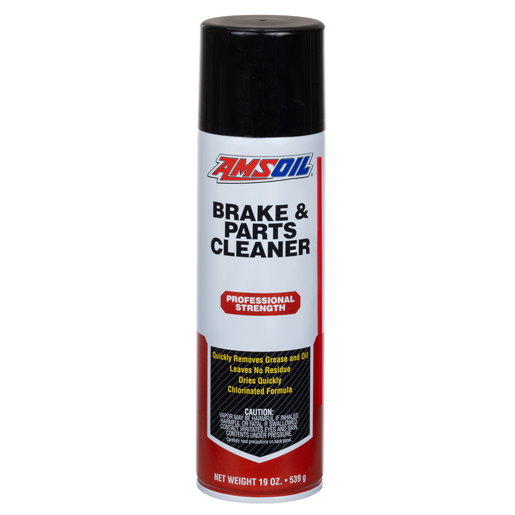
AMSOIL BRAKE AND PARTS CLEANER
Product codes and package options
| Product Code | Package Size | Unit of Measure |
|---|---|---|
| BPCSC-EA | 19 oz. Spray Can | Each |
| BPCSC-CA | 19 oz. Spray Can | Case of 12 |
AMSOIL Brake and Parts Cleaner is the can you grab when oil, grease, or brake fluid gets on the pads, calipers, or drums and the brakes start squealing or grabbing oddly. It is a chlorinated, non-flammable, VOC-free aerosol that cleans the parts with the wheel off, no major tear-down, and it dries fast without leaving a film behind. Shut the machine down, let the brakes cool, and spot-test anything rubber, painted, or plastic nearby before you spray.
When you need this cleaner
Use it on brake pads, calipers, drums, and other brake parts, plus other components that picked up oil, grease, or brake fluid. On an ATV or UTV, that usually means a leaky seal, overspray from another job, or trail grime that worked its way into the friction surfaces.
Pull the wheel and you can usually reach the caliper, pad edges, and backing plate well enough to clean them in place. You avoid turning a simple cleanup into a full caliper removal and a brake bleed.
What the formula is built to do
This formula is chlorinated, non-flammable, and free of volatile organic compounds, with a Level 1 aerosol rating, the lowest of the three flammability levels. It cuts petroleum soils quickly without adding a flammable vapor cloud next to hot exhaust or live electrical connections.
It dries quickly and leaves no residue, which matters because a cleaner that swaps oil for its own film just gives you a different contaminated surface. Clean friction faces help quiet squeal and chatter that started with oil or brake fluid on the pads.
How to use it
Shake the can well. Start at the top of the part and wash the dirt and oil down and off so the mess runs away from the metal you already cleaned. If the part is filthy, spray again instead of soaking it in one heavy pass.
Use the extension straw when you need a tight stream. On a compact quad brake, the caliper bracket, line fitting, and rubber boot can sit an inch apart, and the straw keeps the solvent on the metal instead of soaking the boot.
Before you spray
Do not spray while the machine is running, and do not spray hot parts. Shut it down and let the brakes cool. A rotor after a long descent is hotter than it looks.
Spot-test rubber, paint, and plastic first. Chlorinated solvent can attack those materials, and on a powersports machine the boots, seals, and painted tubes sit right next to the brake hardware. Wipe off overspray instead of letting it dry where it should not be.
Work with fresh air and eye protection. The product can irritate your eyes, and you should not breathe the vapor or mist. Keep runoff out of storm drains and waterways. It is toxic to aquatic life with long lasting effects, and it is also labeled as suspected of causing cancer, so treat ventilation and cleanup as part of the job.
Storage and where you can buy it
The can is pressurized and can explode if it gets too hot. Keep it out of direct sun and below 50°C (122°F). Do not pierce or burn it, even when it is empty. A closed cab or truck in summer heat can pass that limit fast, so store it on a shaded shelf, not in the machine.
BPCSC-EA is the single 19 oz. can and BPCSC-CA is the case of twelve. This chlorinated formula is not sold in California, New Jersey, or Canada. If you are in one of those markets, use the non-chlorinated 14 oz. version that is available in all 50 states.
Questions about AMSOIL BRAKE AND PARTS CLEANER
Brake pads, calipers, drums, and other brake parts, plus other components fouled with oil, grease, or brake fluid. With the wheel off, you can usually flush an accessible caliper or backing plate without removing the whole assembly.
No. Do not spray hot surfaces, and do not spray while the machine is running. Shut it down and let the brakes cool first. A rotor after a long descent holds more heat than it looks like it should.
It cuts oil and grease fast without putting a flammable vapor into a work area that may have hot exhaust or live wiring, and it carries the lowest aerosol flammability level. The trade-off is availability: this chlorinated version is not sold in California, New Jersey, or Canada.
It can. Spot-test rubber, paint, and plastic on a small area before you spray widely. Wipe off overspray, and use the extension straw to keep the stream on the metal you mean to clean.
Shake the can, start at the top, and wash contaminants down and off the part so the mess does not settle back onto clean metal. If it is still dirty, spray again. Top-to-bottom passes beat one heavy soak.
Keep it out of sunlight and below 50°C (122°F), and never pierce or burn it, even after it is empty. A closed vehicle in summer heat can exceed that limit, so a shaded shelf is the better default.
Related products in this category
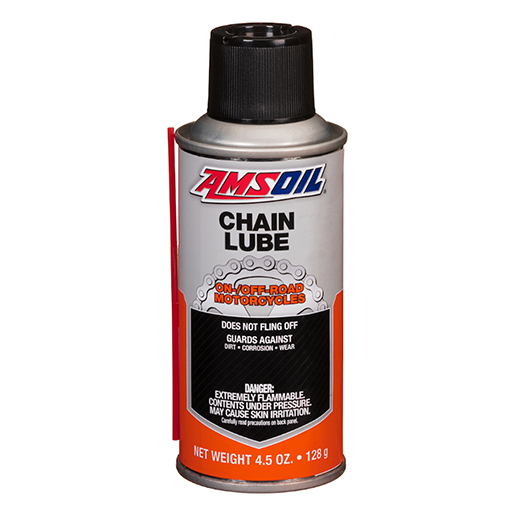
AMSOIL CHAIN LUBE
Fast-drying aerosol that soaks into the pins, bushings, and rollers on a sealed chain, then sets into a film that shrugs off sand and grit.
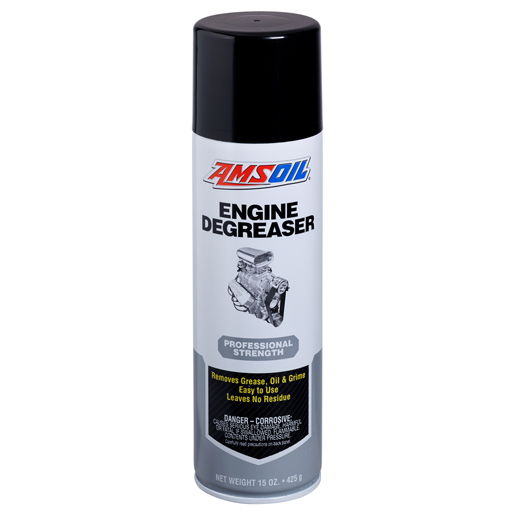
AMSOIL ENGINE DEGREASER
Professional-strength aerosol solvent that breaks down cooked-on engine grime in 15 minutes and rinses off with plain water, no parts washer needed.
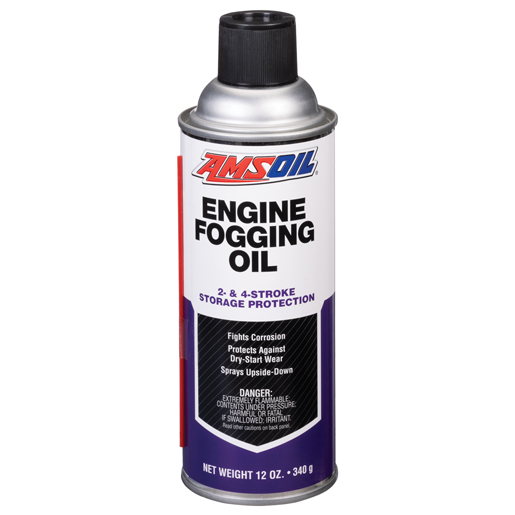
AMSOIL ENGINE FOGGING OIL
Aerosol rust preventive that holds a film on liners, rings, and bearings through a full layup and keeps a dry start from wrecking a cylinder.