
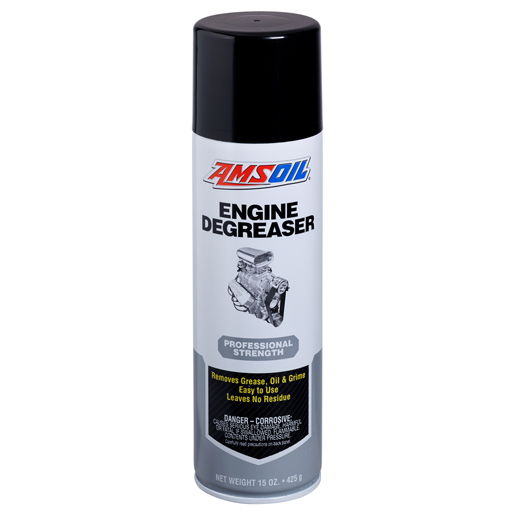
AMSOIL ENGINE DEGREASER
Product codes and package options
| Product Code | Package Size | Unit of Measure |
|---|---|---|
| AEDSC-EA | 15 oz. Spray Can | Each |
| AEDSC-CA | 15 oz. Spray Can | Case of 12 |
Cooked-on grease does not come off with a hose, and you find that out the first time you try. AMSOIL Engine Degreaser is a professional-strength aerosol loaded with solvents that dissolve the worst grease, dirt, and grime on an engine so plain water can carry it away, which keeps a filthy job in the driveway instead of on a bench. Shut the engine off and let it cool, make sure it is dry, and cover anything unsealed that water would ruin. From there it is a generous spray, a 15-minute soak, a brush across the heavy spots, and a top-down rinse, then an idle to dry the engine out.
Why water alone will not touch baked grease
Heat cycles turn oil film into a hard shell that grabs dirt and holds it. On a machine that actually works, that shell covers the cases, the cylinder fins, and everything around the chain or drive shaft, and no amount of rinsing gets under it. The solvents in this can dissolve that layer so water can wash it off.
The formula is safe on all engine components and the stream is strong enough to put product where you aim it rather than misting across the whole engine bay. What limits you is the hardware bolted around the engine and the ground you are standing on, not the metal you are cleaning.
Off, cool, and dry before the first press
Check that the engine is off and cool. Product goes on a dry engine, so a machine that just came out of a creek crossing or off the wash rack needs time to dry, and one that just came off a hard run needs time for a completely different reason.
Once it is ready, lay it on generously. A thin pass will not carry solvent down through a thick deposit, and the soak only works if there is enough product on the surface to stay wet for the full 15 minutes instead of drying out halfway through.
Cover what water would ruin
Before you spray, cover any unsealed part that water can get into: the distributor, air filter, air intake, carburetor, electronic controls, and electrical components. Keep contact away from wiring and sensors for the whole job, not just during the rinse.
On a quad or a side-by-side that means the airbox inlet, the carb or throttle body, the ignition parts, and the connector bundle near the cases. Leave the coverings on through the rinse and pull them off only when the wash is done, then put back anything you removed for access.
Soak, brush, rinse from the top down
Give it 15 minutes. The solvent evaporates slower than ether, which is what lets it stay wet through that window instead of flashing off warm metal. At the end of the soak, take a brush to the heavy deposits so the softened crust breaks up and lifts instead of riding out the rinse.
Rinse with water from the top down so the runoff carries grime away from metal you already cleaned. Skip the pressure washer. Highly pressurized water is off the table because pressure drives water past seals and into connectors that a normal flow leaves alone.
When the rinse is finished, pull the coverings, reinstall anything you took off, then start the engine and let it idle until it is completely dry. Run the whole sequence again if the machine needs it, because a badly fouled engine rarely comes clean in one pass.
Paint, pavement, and the can itself
Anything that lands on exterior paint gets wiped off right away, not at the end of the job. Timing is the whole instruction there, since a solvent sitting on paint behaves nothing like one wiped away as soon as it hits. Overspray happens no matter how carefully you aim.
Pick your wash spot before you shake the can. Asphalt and other surfaces that organic solvents attack are out, which rules out the blacktop driveway. Concrete, gravel, or a dedicated wash pad keeps the ground from becoming the second thing you have to fix.
The can is a Level 3 aerosol with clear contents and a petroleum odor, so keep heat, sparks, open flames, and hot surfaces away and never spray toward an ignition source. Vapor settles low rather than rising. AEDSC-EA is the single 15 oz. can and AEDSC-CA the case of twelve, and the pressurized can stays under 50°C (122°F) and never gets pierced or burned.
Questions about AMSOIL ENGINE DEGREASER
No. Get the engine off and cool first, and make sure it is dry. A machine that just came off a hard run needs time to cool down, and one that just went through water or across the wash rack needs time to dry before you start.
Any unsealed part that water can reach: the distributor, air filter, air intake system, carburetor, electronic controls, and electrical components. Keep the spray away from wiring and sensors throughout, and leave the coverings in place until the rinse is finished.
Fifteen minutes. Brush the heavy deposits at the end of that window so the softened crust lifts instead of surviving the rinse, then flush the engine with water from the top down. Apply generously up front, since a thin coat dries before the window closes.
No. Highly pressurized water is excluded, so ordinary flow from the top down does the rinsing. Pressure pushes water past seals and into connectors that a normal rinse leaves alone, which is a bad trade on an engine that just had its coverings pulled off.
Yes. Organic solvents attack asphalt, so choose the spot before you shake the can. Concrete, gravel, or a dedicated wash pad handles it fine. Product that lands on exterior paint is a separate issue and gets wiped off immediately rather than left to sit.
Pull the coverings, reinstall anything you removed for access, then start the engine and let it idle until it is completely dry. Idling drives water out of places a towel will never reach, which matters most around the electrical parts you shielded during the wash.
Related products in this category
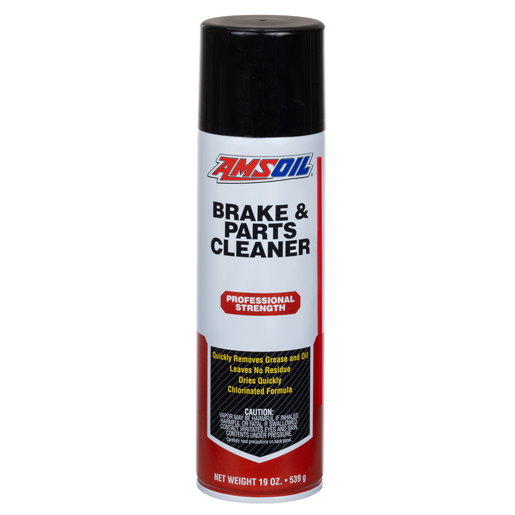
AMSOIL BRAKE AND PARTS CLEANER
Chlorinated, non-flammable brake cleaner that cuts oil and grease off pads, calipers, and drums without pulling the whole assembly apart.
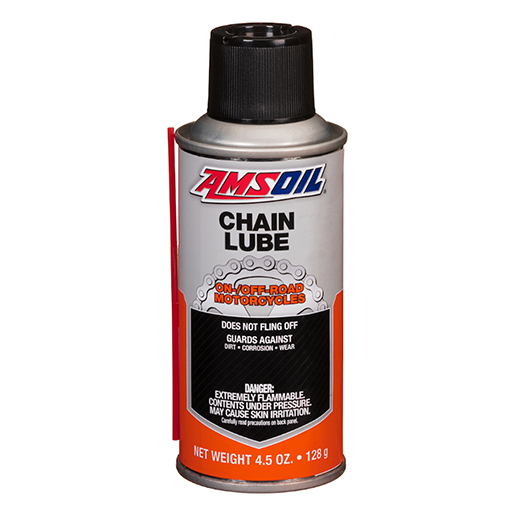
AMSOIL CHAIN LUBE
Fast-drying aerosol that soaks into the pins, bushings, and rollers on a sealed chain, then sets into a film that shrugs off sand and grit.
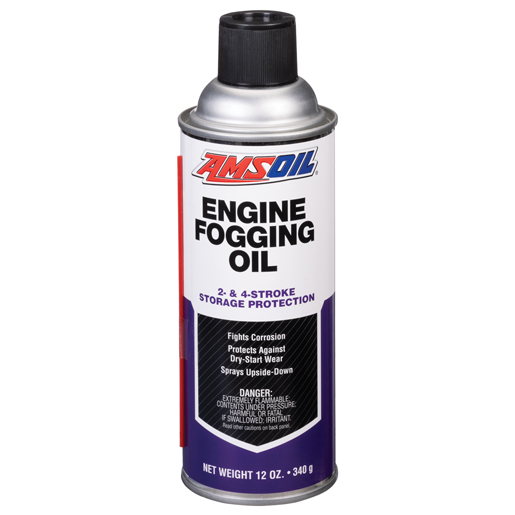
AMSOIL ENGINE FOGGING OIL
Aerosol rust preventive that holds a film on liners, rings, and bearings through a full layup and keeps a dry start from wrecking a cylinder.